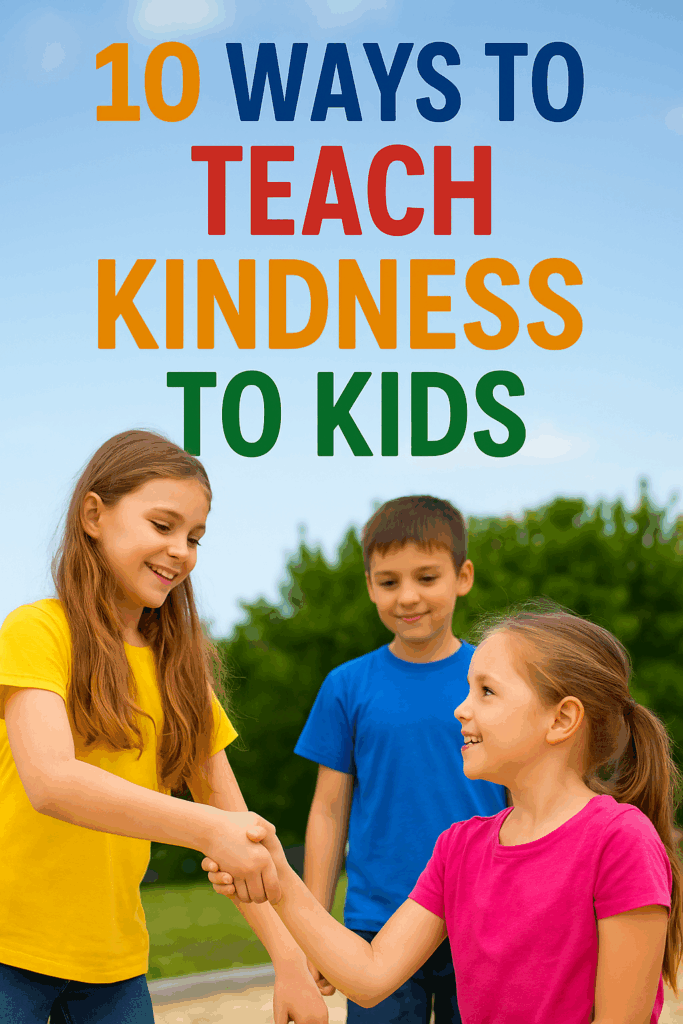
Kindness doesn’t come naturally. It’s taught, modeled, and practiced.
In a world that often rewards quick reactions and competition, raising kind kids takes intention. The good news? Teaching kindness can be simple, and the lessons you build now will shape your child’s heart for years to come.
Kindness helps children build stronger friendships, practice empathy, and develop emotional resilience. It also creates a safe, supportive home or classroom environment where everyone thrives. Even better, kindness spreads, one child’s kind act can inspire a ripple of compassion in others.
If you want to raise children who speak gently, act thoughtfully, and lead with love, here are 10 meaningful ways to start.
1. Model Kindness Every Day
Children learn far more from what we do than what we say. If you want kids to speak and act kindly, let them see it in you. Offer help to a neighbor, thank the cashier, or speak gently to a frustrated child, and explain why you chose kindness even when it was hard.
This real-life modeling becomes their blueprint. Kindness isn’t a single lesson, it’s a lifestyle you demonstrate.
2. Use Positive Language at Home
Words have power. Tone, body language, and word choice all shape how kids learn to communicate. Try replacing criticism with curiosity and redirection, especially in tense moments.
One helpful tool is the THINK Poster, which reminds kids to ask:
T — Is it True?
H — Is it Helpful?
I — Is it Inspiring?
N — Is it Necessary?
K — Is it Kind?
Having this visual cue on the wall encourages kids to pause and reflect before speaking, a simple way to make kind communication the norm.
3. Read Books About Kindness and Empathy
Children’s books are a powerful way to spark emotional growth. Choose stories that highlight kindness, compassion, inclusion, and forgiveness.
Pause during storytime to ask:
“How do you think that character felt?” or
“What could they have done differently?”
This helps kids see beyond their own perspective and learn to respond to others with care.
4. Create a Kindness Chart or Journal
Kids love seeing their progress. Create a kindness chart where they add a sticker for every kind act they do, helping a sibling, saying something encouraging, or including someone at recess.
For older kids, try a kindness journal. They can write down one kind act they did and one they received each day.
This builds self-awareness and pride in their choices.
5. Practice Role-Playing Scenarios
Role-play real-life situations that test kindness, such as:
- A friend is left out of a game
- A classmate is teased
- A sibling takes their toy
Ask your child how they could respond with empathy, and then act it out together. This turns abstract concepts into concrete skills they can practice and use in the moment.
6. Celebrate Small Acts of Kindness
Notice and praise kindness when it happens. Say things like:
“I saw you help your sister—that was really thoughtful.”
or
“You showed great patience waiting for your turn.”
This positive attention reinforces kind behavior as part of their identity, not just something they “should” do.
7. Serve Others as a Family
Family service activities help kids see the bigger picture. Donate gently used toys, make cards for nursing home residents, or bake for a neighbor.
When kids experience how good it feels to brighten someone’s day, kindness becomes rewarding all on its own. These memories shape their values far more than lectures.
8. Teach Emotional Regulation Skills
It’s hard to be kind when emotions are running high. Teach kids to pause, breathe, and name their feelings before reacting.
This can be as simple as:
- Taking three deep breaths
- Counting to 10
- Saying, “I feel angry, and I need space.”
Pairing these calming tools with your THINK Poster helps them remember to speak with care even when they’re upset.
9. Encourage Inclusive Play and Friendships
Talk about welcoming everyone, especially those who might be shy or different.
Encourage your child to invite new friends to join games, sit with someone who’s alone, or help classmates who are struggling.
Inclusivity teaches empathy, humility, and courage, and it turns kindness from a private value into a public action.
10. Build Daily Faith-Based Routines
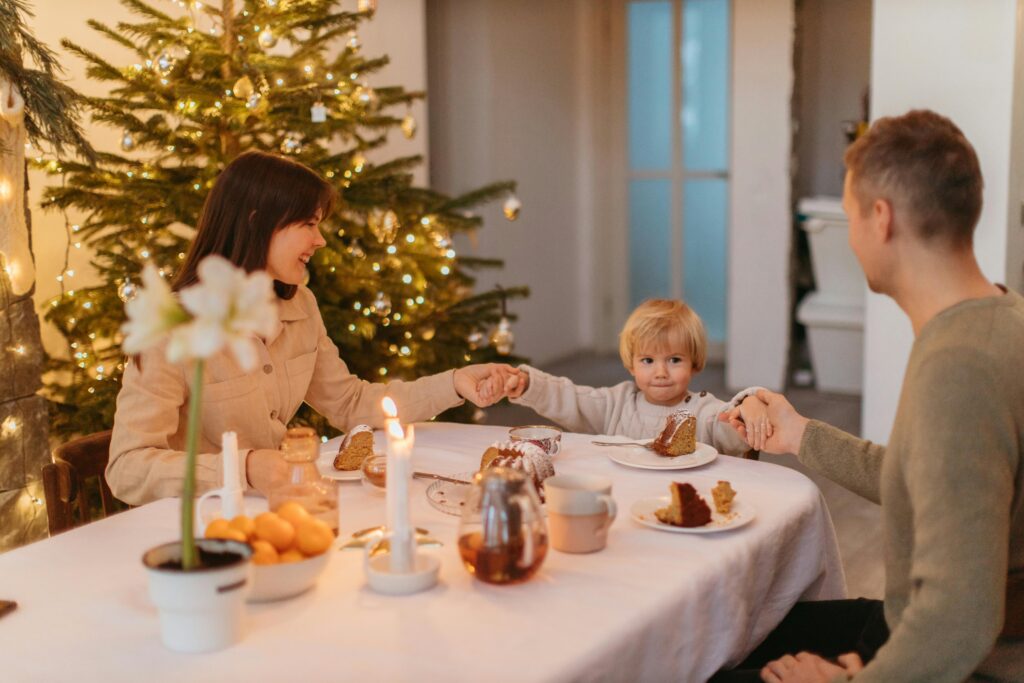
Kindness grows when it’s rooted in love and faith. Simple spiritual routines like prayer, affirmations, gratitude journaling, and family devotion time create a foundation of compassion.
These daily habits remind kids that their words and actions reflect God’s love to others.
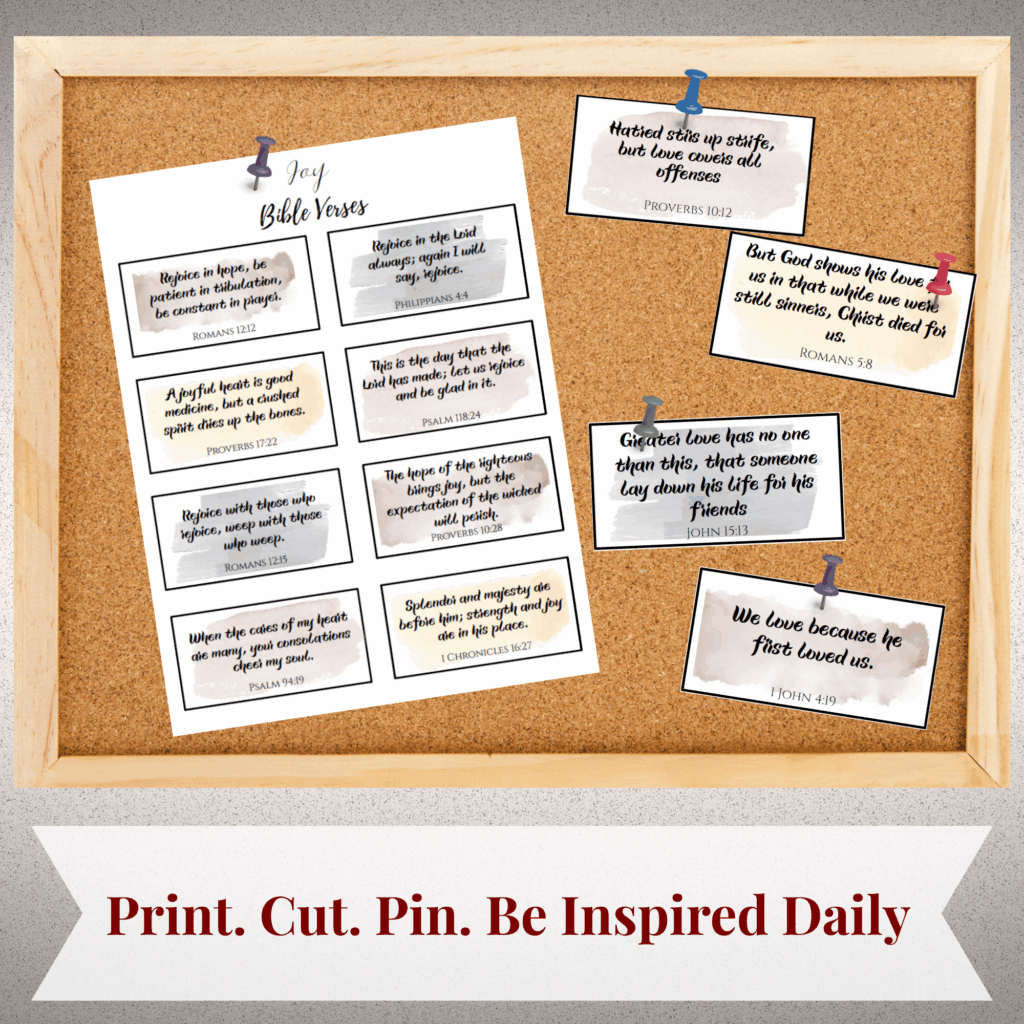
If you’re looking for an easy way to get started, our Family Faith Bundle includes simple devotion templates, daily verse cards, and reflection prompts to help your family build faith and kindness together.
💛 The Ripple Effect of Raising Kind Kids
Teaching kindness isn’t a one-time lesson, it’s a way of life. Every smile, every gentle word, and every helping hand you encourage creates a ripple effect that touches countless others.
Even when it seems like your kids aren’t listening, they are watching. The way you speak, serve, and respond to others shapes the kind of people they are becoming.
And the best part? When kindness becomes a family value, it transforms your home too.
Start small. Model kindness. Keep visual reminders like the THINK Poster in sight. And if you want a simple way to make this part of your daily routine, download the Family Faith Bundle to help your family build faith and kindness, together.